Wood Fence Installation in Columbia, MD
Cedar, pine, and redwood privacy, picket, and shadowbox fences built on set posts.
Wood Still Wins on Look and Price
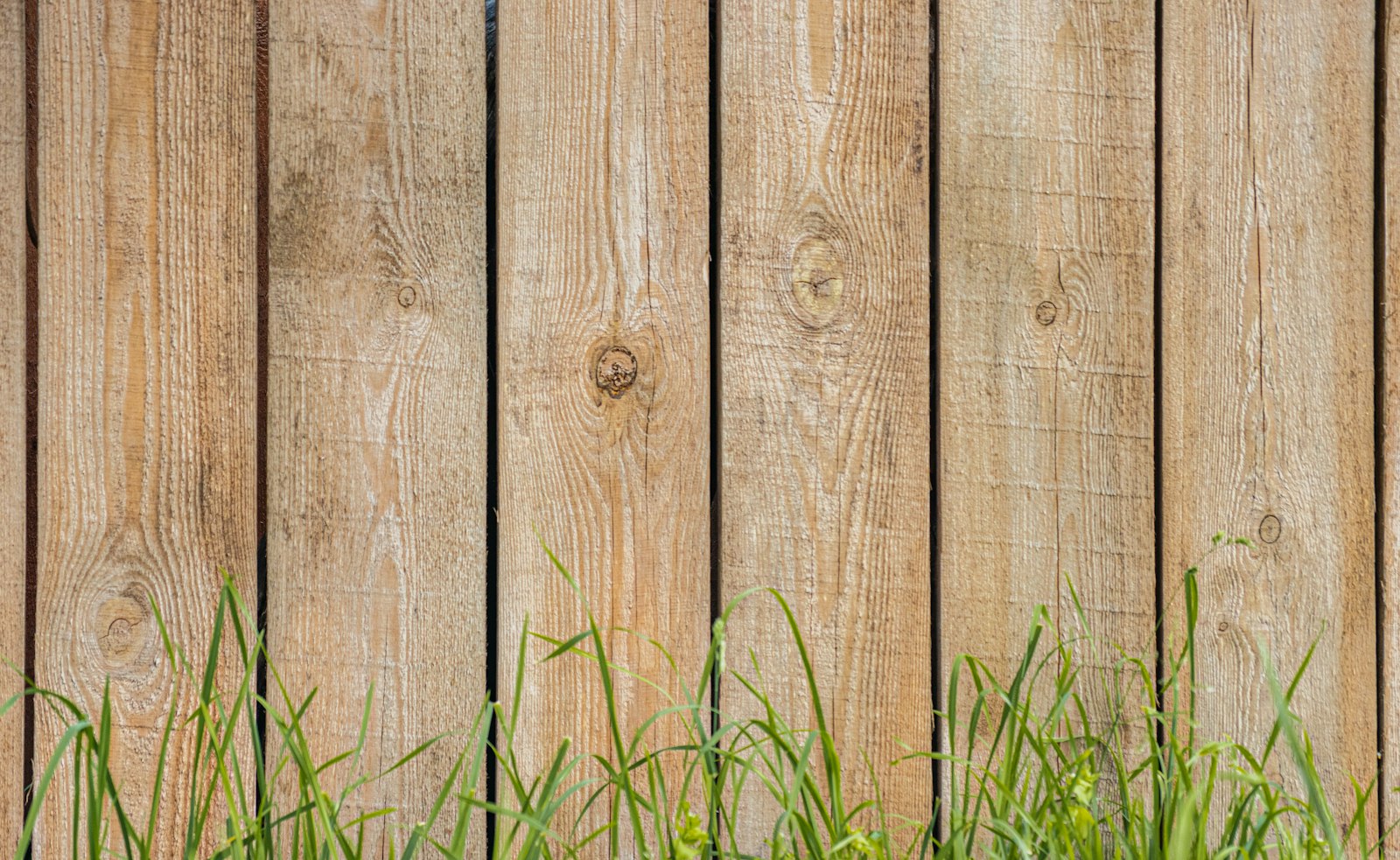
Wood is the most common fence in Columbia for a reason. It goes up tall, it costs less per foot than composite or ornamental, and a cedar privacy run looks right against almost every house style in the villages. The trade is maintenance: Maryland summers are humid, our clay holds water, and untreated wood in that combination will grey, cup, and eventually rot from the bottom up. Built correctly, a cedar fence here has a long life. Built cheaply, it leans inside five years.
What we build
Wood Fence Styles We Build
Board-on-board privacy
Overlapping vertical boards with no gaps, the standard 6-foot backyard privacy fence. The overlap absorbs seasonal movement so you do not get daylight gaps when the boards dry out.
Shadowbox (good neighbor)
Alternating boards on either side of the rail. It looks finished from both sides, which matters when your village committee or your neighbor has an opinion, and it lets wind pass through instead of loading the posts.
Classic picket
Three to four feet, front yards and garden enclosures, spaced pickets with a flat or dog-ear top.
Horizontal slat
Modern, wider boards run lengthwise. It needs stiffer posts and tighter post spacing to stay flat, so it prices above a standard privacy run.
Split rail and ranch rail
Two- or three-rail, often with welded wire behind it for pet containment on larger Highland and Dayton lots.
Built for Maryland
How We Build Wood to Last Here
Everything that decides how long a wood fence lasts happens below the top rail. This is where we spend the money.
- Pressure-treated posts rated for ground contact, every time, regardless of what the pickets are.
- Holes dug below the frost line, a gravel base under the post for drainage, then a concrete collar crowned to shed water away from the wood.
- Galvanized or stainless fasteners. Standard steel screws bleed rust streaks down cedar within a season here.
- Pickets held off the soil so the end grain is not sitting in wet clay, with a gravel or mulch line beneath.
- Cut ends sealed, because a saw cut is the fastest way into the heart of a treated post.
- An honest recommendation on staining. Cedar can be left to silver; pine should not be.
Wood Fences and Columbia's Architectural Review
Village committees in Columbia generally look kindly on cedar and natural-finish wood, and less kindly on bright stains and unusual heights. Where a covenant specifies a finished side facing out, shadowbox solves it without argument. We fill out the exterior alteration application with the material, height, finish and a drawn fence line, so the review has nothing left to ask for.
Wood fence questions
What Homeowners Ask About Wood Fences
Cedar or pressure-treated pine?
Cedar resists rot and insects naturally, holds its shape better, and costs more. Pressure-treated pine costs less and lasts well if it is kept sealed. Either way, the posts should be ground-contact treated.
How long will a wood fence last here?
A properly built cedar fence commonly runs well past a decade in Howard County. The posts fail first, which is exactly why we spend the money below ground rather than on decoration above it.
Do I have to stain it?
No, but it changes the outcome. Sealed wood keeps its color and sheds water; unsealed cedar weathers to grey and lives a shorter life. We tell you which schedule your material actually needs.
Can you match my neighbor's existing fence?
Usually. Bring us a photo and we will match the style, height and picket profile so the two runs read as one line.
Get a Written Price on Your Wood Fence
We measure on site, check the grade and the property line, and leave you one flat number that covers the posts, the panels, the gates, the haul-away and the paperwork.