Composite Fence Installation in Columbia, MD
Engineered composite panels with a wood look, built to resist rot, warping, and fading.
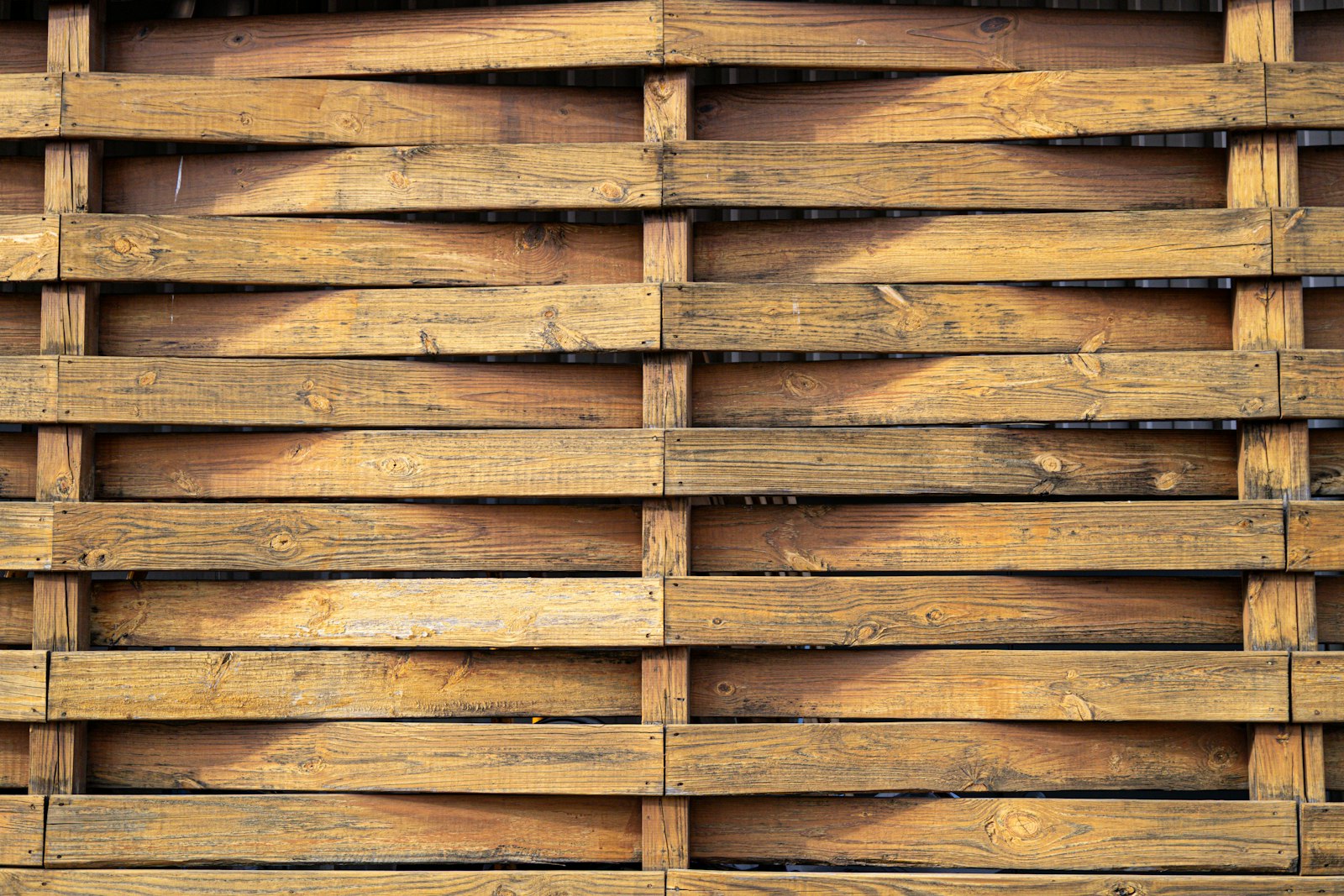
Cedar's Look, Without Cedar's Calendar
Composite fencing is wood fiber and polymer pressed into solid boards. It reads as wood from the sidewalk, it has real weight and a woodgrain texture, and it does none of the things that make wood annoying in Maryland: it does not rot in wet clay, it does not feed insects, it does not cup in a humid August, and it never needs staining. It is the most expensive residential privacy material we install, and for a certain kind of homeowner it is obviously the right buy — usually someone who has already replaced one wood fence and is not doing it a third time.
What we build
Composite Fence Options
Solid privacy panels
Tongue-and-groove composite boards in a steel- or aluminum-reinforced frame, typically 6 feet, with no sight lines.
Semi-privacy and accent tops
Louvered or spaced upper sections that break up a long run and let wind through.
Horizontal profiles
Wide boards run lengthwise for a modern look. Composite holds a horizontal line better than wood, because it does not cup.
Color range
Cedar, walnut, grey, and black woodgrain finishes that are pigmented through rather than surface-stained, so a scratch does not show a different color underneath.
Matching gates
Built on a welded aluminum frame rather than a wood one, because composite boards are heavy and a timber gate frame will rack under them.
Built for our soil
Building Composite in Howard County Soil
Composite is heavy and it moves with temperature more than wood does. Both of those facts change how the fence has to be built.
- Steel or aluminum post inserts inside the composite post sleeves, so the structural load is carried by metal and the composite is cladding.
- Posts set in concrete below the frost line on a gravel base, same as every other material we install.
- Expansion gaps at every board end. A run built tight in winter will buckle in July.
- Panels held clear of the soil line so the bottom rail is not sitting in standing water after a Maryland downpour.
- Hidden fasteners where the system supports them, so the finished face has no screw heads running down it.
Where the Money Actually Goes
Composite is a material cost, not a labor cost — the installation is close to a vinyl install. What you are buying is the panel: fade and stain warranties measured in decades, no re-staining, no board replacement, and a surface that looks the same in year twelve as in year one. We will run the honest comparison for you against cedar over the same period, including what the stain, the sealer and the weekend labor actually add up to, and let you decide.
Composite questions
What Homeowners Ask About Composite
Does composite fade?
Modern composite is pigmented through and UV-stabilized, and the good systems carry a written fade-and-stain warranty. We hand you that warranty document rather than paraphrasing it.
Does it get hot?
Darker composite warms in direct sun the way any dark surface does. It is a fence, not a deck, so it rarely matters — but if it does, we will point you at the lighter finishes.
How does the cost compare to cedar?
Meaningfully higher up front. The comparison turns on how long you are staying and whether you would actually keep up the staining schedule. We give you both numbers in writing.
Will my village approve composite?
Generally yes, in woodgrain finishes that read as a wood fence. We submit the manufacturer's spec sheet and color with the exterior alteration application.
Get a Composite Fence Quote
We will price composite next to cedar over the same span so you can see the real difference instead of guessing at it.