How to Keep a Wood Fence from Rotting in Maryland's Humidity
Humid summers and wet springs give rot everything it needs. Here is where decay starts on a Columbia wood fence and the handful of habits that keep cedar and pine sound for decades.
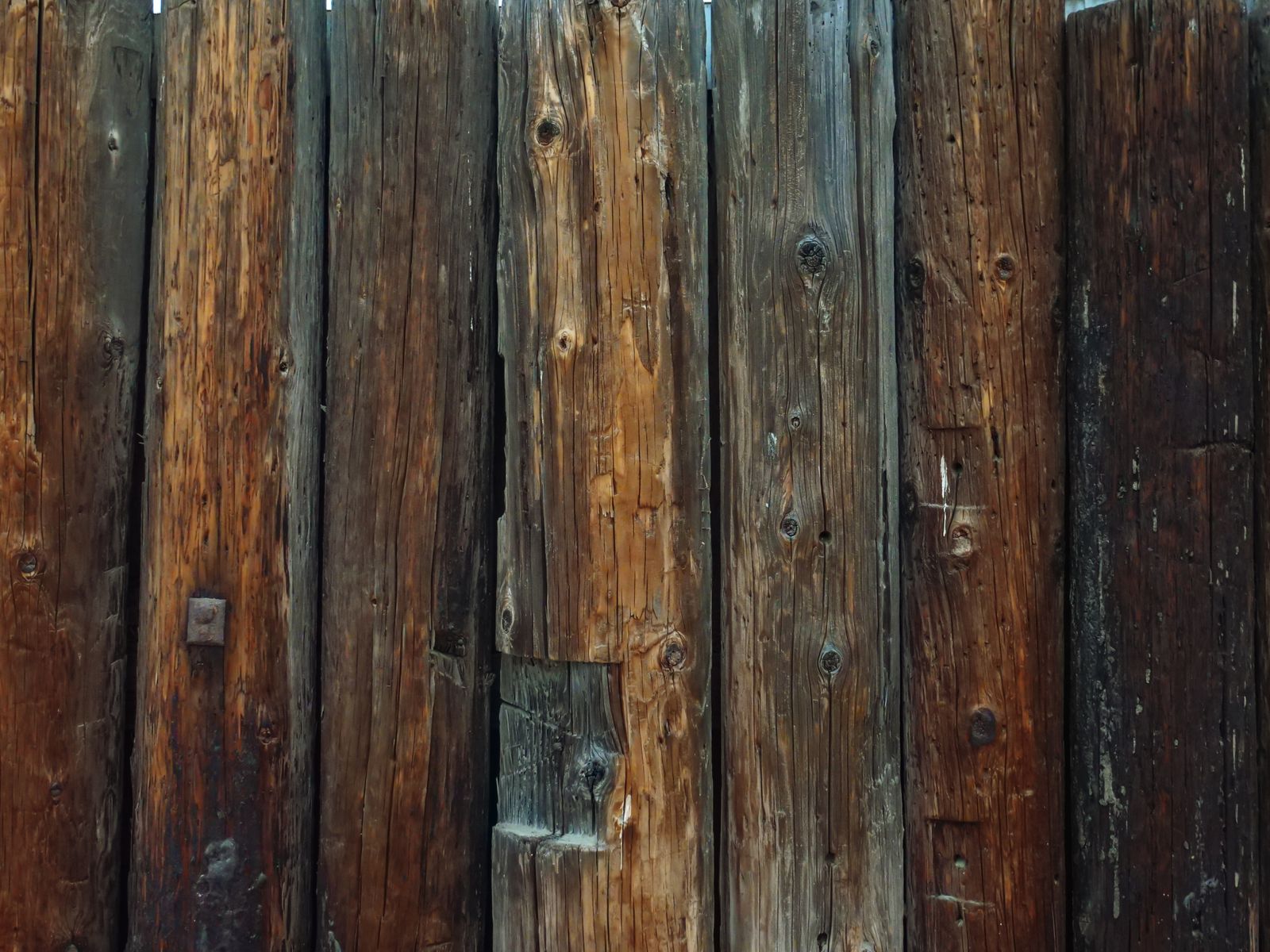
A wood fence in Columbia has to live through muggy Maryland summers, wet springs, and the freeze-and-thaw swings that bracket them, and all of that water is exactly what rot needs. Keeping a wood fence from rotting here is not about one magic product; it is about denying decay the moisture it depends on, at the few spots where water actually collects. Do that and a cedar or pine fence lasts for decades. Ignore it and the posts are soft at the base before the warranty is up. Here is where rot starts on a Howard County fence and how to stay ahead of it.
The Short Version
Why Wood Fences Rot in Maryland's Climate
Wood rots because of fungi, and those fungi need moisture to live. Washington State University's extension service notes that wood-rotting fungi require moisture, which collects from poor drainage, splashing, and direct wood-to-ground contact (WSU Extension). Central Maryland hands them that moisture for much of the year: humid summers keep boards from fully drying, and the ground stays damp well into spring.
Decay also needs more than water. The APA notes that wood decay depends on a combination of temperature, a food source, oxygen, and moisture together (APA - The Engineered Wood Association). You cannot change Maryland's temperature or take away the wood, but moisture is the one leg of that stool a homeowner can knock out, and nearly everything below is a way to do it.
Rot Starts at the Ground, Not the Top
On almost every failed wood fence, the rot started at or just below the ground line. That is where posts sit in damp soil, where splashback keeps the lowest boards wet, and where air cannot circulate to dry things out. The pickets up top usually outlast the posts by years, which is why a fence can look fine from the street while the posts are already going.
The defense starts with the right wood in the ground. Posts and anything in ground contact should be preservative-treated: the EPA notes that treated wood resists fungal decay and insect attack and is the standard choice for outdoor uses like fence posts (U.S. EPA). Naturally durable cedar is a good choice for the visible boards, but even cedar posts last longer when the portion in the soil is rated for ground contact and set so water drains away from the wood rather than pooling against it.
Which Wood Resists Rot Best in Maryland
Not all fence wood resists decay equally, and the choice matters most for the parts that stay damp. Western red cedar is naturally durable, with oils in the heartwood that slow fungal decay, which is why it is a popular pick for the visible pickets and rails on Columbia fences. It still weathers, and its durability lives in the heartwood, so lower-grade cedar with a lot of pale sapwood is less protected than it looks.
For anything in the ground, chemistry beats species. Pressure-treated pine rated for ground contact is the workhorse for posts because the preservative is driven deep enough to resist the soil moisture that would rot untreated wood. A common and sensible build in this area pairs treated posts below grade with cedar boards above it, so each material does the job it is best at. Whatever you choose, the fastener and bracket metal should be rated for treated lumber, or the hardware corrodes and becomes its own failure point.
Keep Water Moving Away From the Wood
Most rot prevention is really water management. The goal is simple: let the fence dry out between rains and never let anything hold moisture against the wood. A few habits do most of the work:
How the posts are set matters as much as where the water goes. A post dropped straight into a concrete collar that cups water around the wood rots faster than one set with a few inches of gravel at the bottom to drain and a concrete top sloped so rain runs off instead of pooling. It is invisible once the fence is up, but it is one of the biggest reasons two fences on the same street age so differently.
Seal It, but Let It Dry First
A water-repellent stain or sealer slows how fast the wood takes on moisture, and on a Columbia fence that is worth doing every few years. A penetrating semi-transparent stain is the usual pick for fences because it sheds water while still letting the wood breathe, unlike a thick film that can trap moisture behind it once it cracks.
Timing matters more than the brand. New pressure-treated lumber often ships wet and needs weeks to dry before it will accept a finish, and sealing any wood while it is still damp locks moisture in and invites the exact rot you are trying to prevent. Wait for a dry stretch, confirm the boards are dry to the touch and have weathered enough to absorb the product, then apply.
Catch Rot Early, While It Is Still a Repair
Checking the fence once a year turns a full replacement into a cheap repair. Rot is soft, dark, and often spongy, and it hides at the joints and the ground line, so look where water sits rather than where it shows:
A single soft post or a few failed boards is a repair; once several posts are soft at the base, the fence is usually past saving in sections and a replacement is the better spend. Our fence repair and replacement page covers how that call gets made.
Where Rot Starts, and How to Stay Ahead of It
If you take one thing from this: rot is a moisture problem, and it almost always begins at the ground. Put treated wood in the soil, keep mulch and spray off the base, let water and air move, and re-seal on a dry day every few years, and you have denied decay the one condition you control. The fences that fail early in Columbia are not the ones with the most expensive stain; they are the ones left sitting wet at the bottom. When you would rather have a new fence built to shed water from the start, or you want a soft post looked at before it spreads, the team at Columbia Fence Installation can walk the line with you and talk through wood fence installation built to last in Maryland's climate.
Worth knowing
The fastest way to age a wood fence is to let mulch, soil, or leaf litter pile against the boards. A few inches of clearance at the base does more for longevity than any sealer.
Worried a post is already going soft?
We will check the posts and the ground line, tell you honestly whether it is a repair or a replacement, and give you a flat written price on the spot.
Related Services
Get a Wood Fence Built to Last in Columbia
We walk the yard, set the posts to drain, handle the village and county approvals, and give you one flat written price.