Deer-Resistant Fencing in Columbia: What Actually Keeps Deer Out
Columbia's woods and stream valleys bring deer right into back yards. Here is how tall a fence has to be, which types actually work, and how to clear village review before you build.
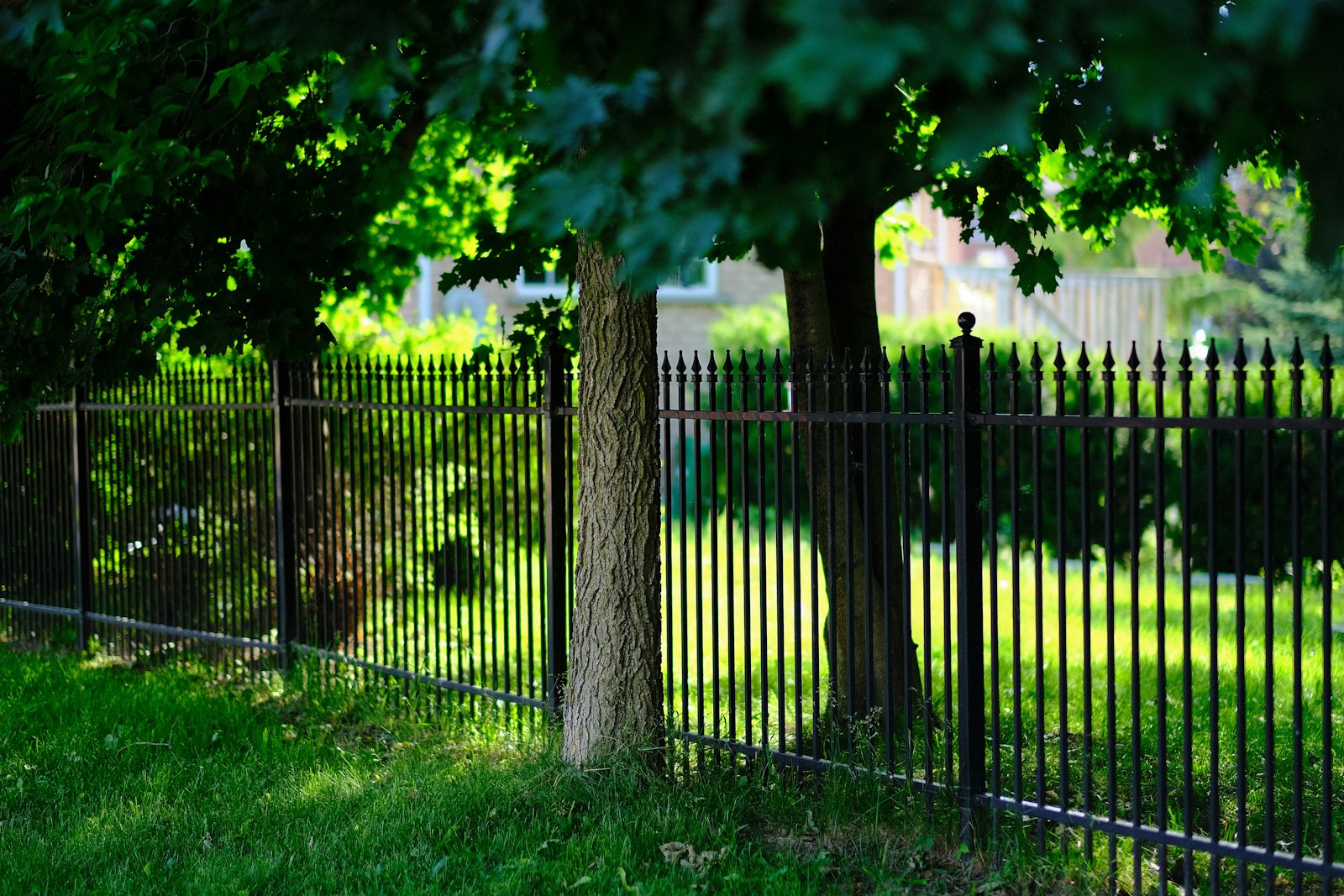
Columbia was built into the woods on purpose, and the deer never left. Between the stream valley parks, the open space that threads through nearly every village, and the mature tree lines behind so many homes, white-tailed deer have cover and travel corridors that lead straight into back yards. For a lot of homeowners the breaking point is a browsed-down garden or a row of shrubs stripped overnight, and the question becomes whether a fence can actually keep them out. It can, but a standard privacy fence usually cannot, and the difference comes down to a few specifics worth getting right before you build.
Why Deer Are a Persistent Problem on Columbia Lots
Howard County's suburban design is exactly what deer thrive in. The pathways, greenways, and stream valleys that make Columbia pleasant to live in also give deer protected routes between wooded patches, and the edge habitat where lawns meet tree lines is prime browsing ground. A yard backing to open space in Hickory Ridge, Harper's Choice, or along the Little Patuxent corridor is effectively on a deer highway.
The result is steady pressure on gardens, hostas, arborvitae, and young trees, especially from late fall through spring when natural food is scarce. Deer feed most heavily at dawn and dusk and move in small family groups, so a single doe with fawns can work through a flower bed in one night and be gone before anyone is awake to see it. A fence is the most dependable answer, but an ordinary six-foot privacy fence is designed to stop people and sightlines, not a determined animal that can jump. Height, and what the deer can see on the other side, are what decide whether a fence works.
How Tall a Fence Has to Be to Stop Deer
To exclude deer reliably, a fence needs real height. The Maryland Department of Natural Resources recommends fences eight feet and taller to exclude deer, noting that shorter fences may not keep all of them out. University extension guidance puts the reason plainly: a deer can clear roughly eight feet, so an eight-foot barrier is the standard a dedicated deer fence is built to.
That does not mean every fence has to be eight feet. Deer are reluctant to jump where they cannot see a safe landing, so a solid six-foot fence that blocks the view into the yard can turn back more deer than an open four-foot one, because the animal will not commit to a blind leap. The trade is visibility: an open-picket fence has to make up with height what it gives away in sightline. Choosing between those two approaches is the core of a deer-fence decision.
Fence Types That Actually Keep Deer Out
Several fence types can exclude deer, and the right one depends on how much yard you are protecting and how it has to look. These are the options that hold up in a Columbia setting.
Gates, Gaps, and the Details Deer Exploit
Height gets the attention, but deer get past fences at the weak points as often as over the top. Keep the gap at the bottom small, because deer and fawns will push under a fence that leaves daylight at grade, and follow the fence down a slope so no triangular openings open up underneath. Gates have to match the fence in height and close reliably, since a propped or sagging gate is the easiest way in. It also helps to anchor a wire fence tightly at the base and check it after storms, because a section pushed loose or a washed-out low spot gives deer the gap they are looking for.
Pairing the fence with plantings deer tend to avoid can take some pressure off, but the fence is the part you can count on. If protecting a specific garden is the whole goal, a tall enclosure around just that area is often more cost-effective than fencing the entire property to eight feet.
Approvals and the Call Before You Dig
A tall deer fence runs straight into Columbia's layered approval system, so check it before you order materials. Most villages set architectural standards that cap fence height or limit materials, and an eight-foot fence is often taller than the default a village or the county expects, which can mean seeking approval or an exception. Our guide to Columbia Association fence approval walks through the village review, and the Howard County permit rules cover when the county itself gets involved.
Then there is what is underground. Maryland's damage-prevention law requires a locate before you dig, so contact Miss Utility of Maryland before any post holes go in. The service marks the gas, electric, and communication lines on your property at no charge, and deer-fence posts go deep enough that skipping the call is never worth the risk.
Matching the Fence to Your Deer Problem
The right answer depends on what you are actually protecting. If deer are hitting one garden or bed, a tall woven-wire enclosure or poly netting around that area usually solves it without fencing the whole lot. If they are grazing the entire yard, an eight-foot woven-wire or ornamental run is the durable fix, and where a village caps height at six feet, a solid privacy fence that blocks the sightline is the practical compromise. The two questions that settle almost every case are how much ground you need to protect and how tall your village will let you build.
If you want help landing on a height and material that both turns deer back and clears village review, that is the kind of problem the team at Fence Installation Columbia sorts out on site every week. A quick look at the lot, the slope, and your village's rules usually points to one clear option, whether that is tall chain link at the tree line or ornamental aluminum where the view matters.
Skip electric fencing in a residential yard
Maryland DNR advises that electric fencing should not be used in residential areas, even though it does deter deer. In a Columbia neighborhood, a tall woven-wire, ornamental, or solid fence is the safe way to get the height deer respect.
Want deer kept out of your yard for good?
We measure the lot, check your village's height limits, and quote a fence built to the height deer actually respect, with the approvals handled.
Related Services
Price a Deer-Proof Fence in Columbia
We check the grade, your village's height rules, and the layout, then quote a fence built to keep deer out. No charge for the visit.